Published on: November 24, 2026
The Marketing Association of Australia’s revised Code of Ethics takes effect on 1 May 2027. It adds an explicit truth and accuracy section and updates standards on violence, sun safety and body image.
Australian advertisers will face updated industry standards for AI-generated content, tanning, violence and body image under a revised Code of Ethics released by the Marketing Association of Australia (MAA).
The code takes effect on 1 May 2027, giving advertisers, agencies and media businesses time to prepare. It is an industry self-regulatory code, administered through Ad Standards’ complaints process—not a new government law. MAA’s Code of Ethics, MAA announcement
The new code adds a section on truth and accuracy, requiring advertising not to mislead or deceive its target audience. The accompanying practice note applies this rule to advertising created or modified using AI. It identifies deceptive AI testimonials, fake consumer reviews and synthetic images, audio or video resembling real people or events as likely to breach the standard.
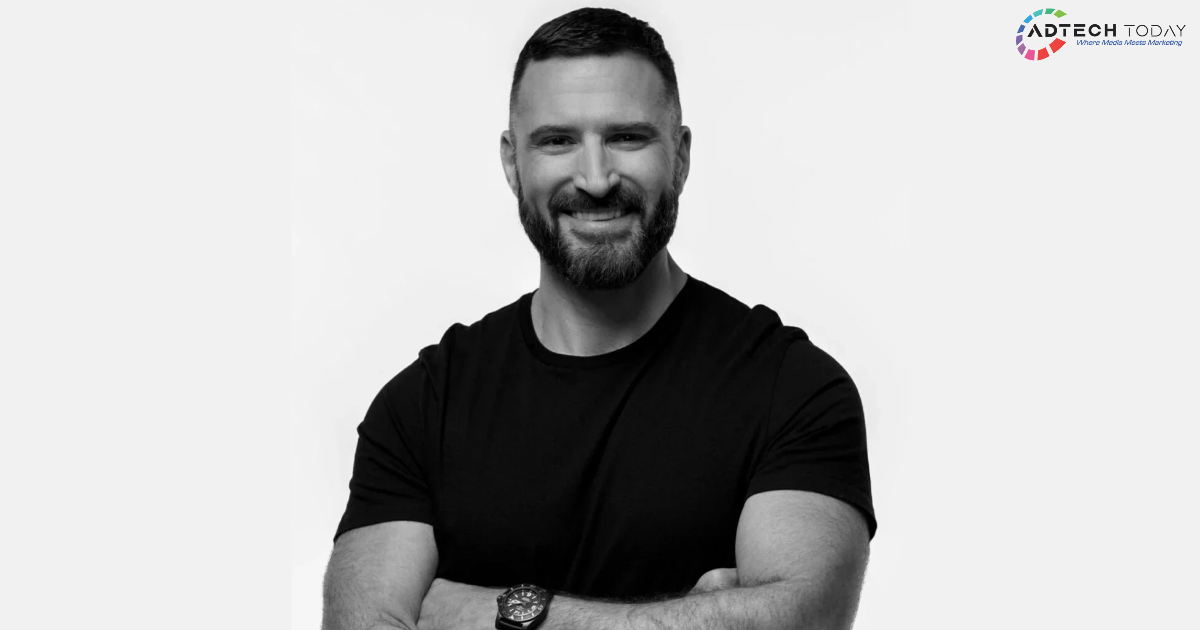
This is not a blanket ban on AI-generated advertising. The key question is whether an ad misleads consumers. MAA CEO Josh Faulks summarised the principle: “Generative AI has changed how ads are made, but it has not changed the obligation to tell the truth.”
The revised code says advertising must not encourage or condone violence. Its practice note directs decision-makers to consider factors such as context, tone, audience, power imbalances and whether the material risks normalising violence. It also recognises that context matters: for example, an ad promoting safety may be justified in showing dangerous behaviour.
The practice note identifies promotion of sunburn, tan lines, deliberate sunbaking and tanning-bed use as disregard for sun safety. The body-image guidance addresses depictions of physical features that are unrealistic or unattainable through healthy practices. It does not prohibit all image editing; the concern is alteration that creates unrealistic body shapes or proportions.
Advertisers and agencies can use the lead-in period to review creative development and approval processes, particularly for AI-generated testimonials and realistic synthetic likenesses. They should also assess how campaigns portray violence, sun exposure and body ideals across formats and audiences. MAA says it will provide industry briefings, training and guidance ahead of implementation.
The changes update Australia’s advertising self-regulation framework as generative tools become more common in campaign production. For marketers, the practical test remains whether the finished advertisement is truthful, responsible and consistent with the code’s standards.
When does the revised code take effect?
The Marketing Association of Australia says its revised Code of Ethics will take effect on 1 May 2027.
Does the code ban AI-generated advertising?
No. The code does not ban AI as a production tool. Its practice note says AI-generated or AI-modified advertising may breach the code if it misleads consumers—for example, through deceptive testimonials or synthetic media presented as real.
Does the code ban all depictions of violence?
No. It says advertising must not encourage or condone violence. The practice note says context matters and recognises that a safety message may justify showing dangerous behaviour.
Is the code a law?
No. It is an industry self-regulatory code, with complaints considered through Ad Standards. It does not replace applicable Australian laws, including consumer protection law.
Read more: Mediahub Wins Polestar’s Australian Media Account