
Published on: June 25, 2026
In April 2025, Google did something the industry had spent five years preparing for, and then it didn’t.
Google decided to keep cookies in Chrome.
After repeatedly delaying the death of third-party cookies, Google confirmed it would keep cookies in Chrome, and by October had quietly retired the Privacy Sandbox APIs built to replace them. In the rooms I sit in, I watched a familiar reaction: relief. The felt like a permission to go back to business as usual. It isn’t the real issue was never about cookies. It was about the user.
For a while, people were opting out at scale. Browsers like Safari and Firefox have blocked third-party cookies for years. Brave blocks almost everything and many approximately 1/3rd of the users ad blockers. And we all are aware, traffic without cookies is less valuable than traffic with cookies. Apple’s tracking prompt showed us what happens when people have a choice. Most people decline. The past decade has taught us that a specific technology isn’t disappearing. Instead people are being careful, about giving their consent. A user-focused ecosystem isn’t something we’re waiting for; it’s already here.
That shift is already visible in where brand budgets move. Global ad spend will cross a trillion dollars in 2026 but the growth is anything but even. The fastest-growing channels are the ones built on consented, first-party signals and provable outcomes.
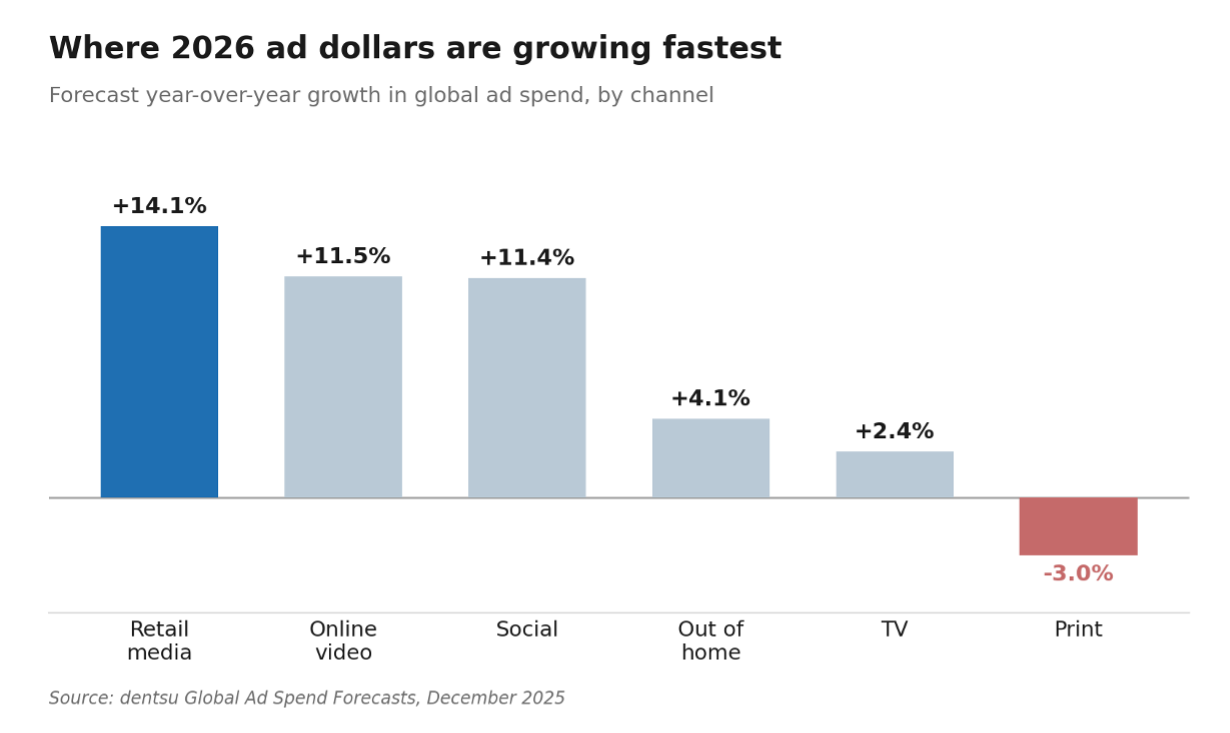
Retail media is effective because it is at its core, a permissioned environment. They are logged in and transacting with intent. Connected TV and commerce media are also getting more popular for these reasons. On the other hand, print and traditional media are on a decline. The brands I speak with almost never frame this as a privacy decision; they frame it as a performance one.
“Brands are not moving away from digital out of caution, they want to be where they can reach and talk to the user directly because that is simply where the returns now live.”
The same idea is reshaping how brands spend inside their own walls. The money used to go towards chasing audiences across the web are moving towards owning and activating a direct relationship instead. This means the “line item” that used to read “audience buying” is now quietly being rewritten as “audience building.”
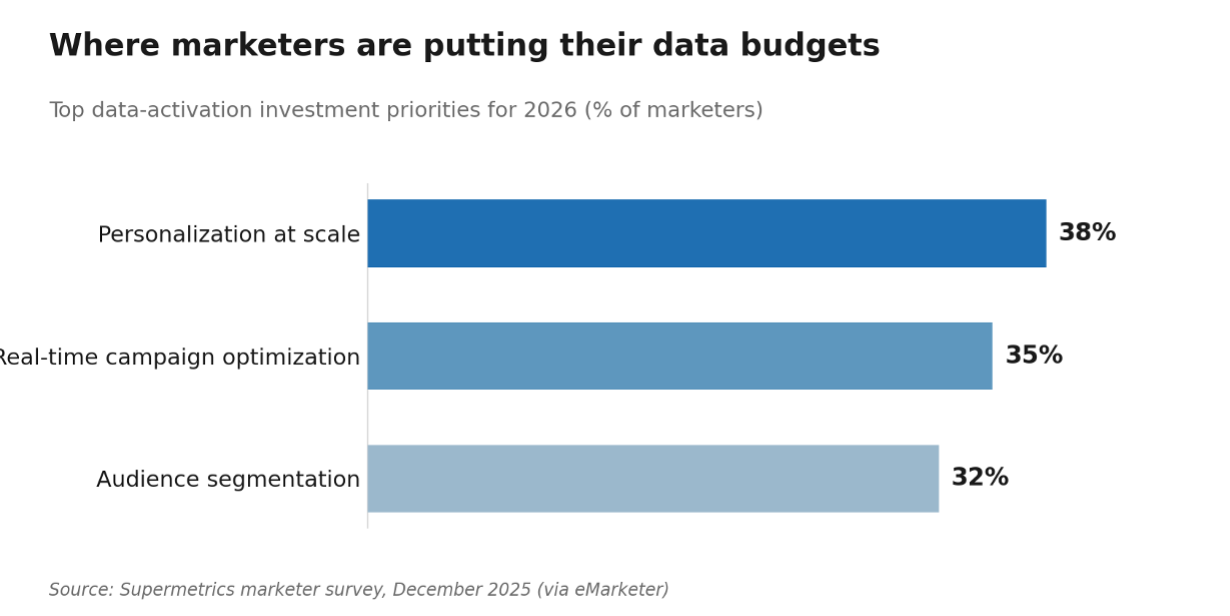
People really want personalization. And it depends on a single asset: first-party data gathered with consent. And people will consent only if they get something valuable in return. Many studies have shown that most people will share their information if they get something that’s genuinely useful.
The catch is that the exchange has to be real. A value exchange dressed up as a data grab gets rejected, fast.
What this means for the next budget cycle
” User-first can sound like a jargon. But in practice it needs to be a budgeting principle.”
The future of brand spend isn’t any more about following people around the internet more cleverly, it is about earning a place in the parts of their lives they’ve chosen to open up. The cookie is not as important as it used to be. changed the tooling. It changed nothing about the fact that people want to empower brands with more trust. Spend will increasingly follow trust and brands that understand this now will be the ones that will be successful.
Disclaimer: The views expressed in this article are those of the author and do not necessarily reflect the views of the publisher.

