Published on: October 29, 2026
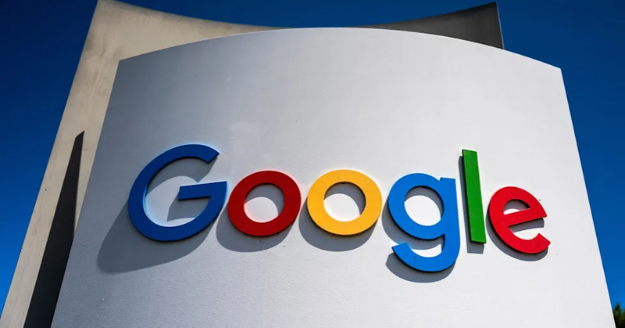
Google is expanding advertising within AI Mode to India and nine other markets, introducing sponsored placements into a search experience designed for longer, conversational queries. The move reflects the company’s efforts to adapt its advertising business to changing search habits as it expands its artificial intelligence offerings.
The rollout includes Australia, Canada, India, Kenya, Malaysia, New Zealand, Nigeria, Pakistan, the Philippines and Singapore. Google plans to bring ads to additional markets, including Brazil, Mexico and the United Kingdom, in the fourth quarter of 2026. In the United States, the company is also introducing multiturn ads, enabling sponsored placements to appear in follow-up queries within AI Mode.
The expansion is part of Google’s broader strategy to evolve its advertising model alongside generative AI-powered search. The company said advertisements will carry a clear “Sponsored” label and that it will continue experimenting with formats intended to maintain relevance for users.
According to Google, queries in AI Mode are, on average, three times longer than those entered through traditional Search. The company also said its research suggests users are comfortable with advertising in AI Mode and consider the ads relevant. Click-through rates for sponsored and organic product-list items within the experience are already comparable, Google said.
For advertisers, the format could provide another way to reach consumers as they move from brief keyword searches to detailed questions that reveal their preferences and purchase needs. Google believes AI can help interpret these more complex queries and connect users with relevant products, businesses and services.
The development comes as advertising continues to account for a significant share of Google’s business. In the third quarter of 2026, Google advertising revenue increased 10.6% year on year to $82.01 billion. Search and other advertising revenue grew 12% to $63.35 billion, while YouTube advertising revenue rose 9.2% to $11.21 billion.
Alphabet reported total quarterly revenue of $127.58 billion, up 25% year on year. Google Cloud revenue more than doubled to $30.71 billion.
The expansion of AI Mode advertising comes as Google and Alphabet CEO Sundar Pichai highlights the role of AI investments in driving Search engagement and commercial activity.
Following Alphabet’s third-quarter results, Pichai said the year-on-year growth rate of Search queries had reached its highest level in five years. He also said Alphabet had achieved a half-trillion-dollar annual revenue run rate, with its “deep, full-stack approach” contributing to momentum across the business.
Google is working to create a connected search experience spanning AI Overviews, AI Mode and traditional Search. Pichai said users are increasingly turning to longer, personalised and multimodal queries. Globally, one in five AI Mode searches involves voice, images or documents, while Google now handles more than 50 billion visual searches each month.
By adding sponsored placements to AI Mode, Google aims to extend its established advertising model into a more conversational search environment. However, the longer-term effects on advertiser performance and advertising revenue remain uncertain.
Google’s wider AI strategy is also extending across consumer and enterprise products. Pichai said the Gemini app has reached one billion users, while Google’s first-party model APIs are processing nearly 32 billion tokens per minute, more than four times the volume recorded a year earlier.
Meanwhile, Google Cloud’s 103% revenue growth highlights rising demand for AI infrastructure and solutions. Google is also developing agentic experiences that could help users carry out tasks such as shopping, booking reservations and scheduling appointments.
For marketers, the expansion of AI Mode presents new questions about how consumers will discover products, assess alternatives and encounter sponsored recommendations as search becomes more conversational. Advertisers will also be looking for clarity around the distinction between paid placements and organic results, alongside evidence that these new formats deliver meaningful results.
Google’s approach is to make Search more useful through AI while creating relevant connections between consumers and businesses. Its ability to preserve user trust and demonstrate advertising effectiveness will be important as the search experience continues to evolve.
Read more: AAAI Launches INDIE Council for Independent Agencies