
Published on: May 21, 2026
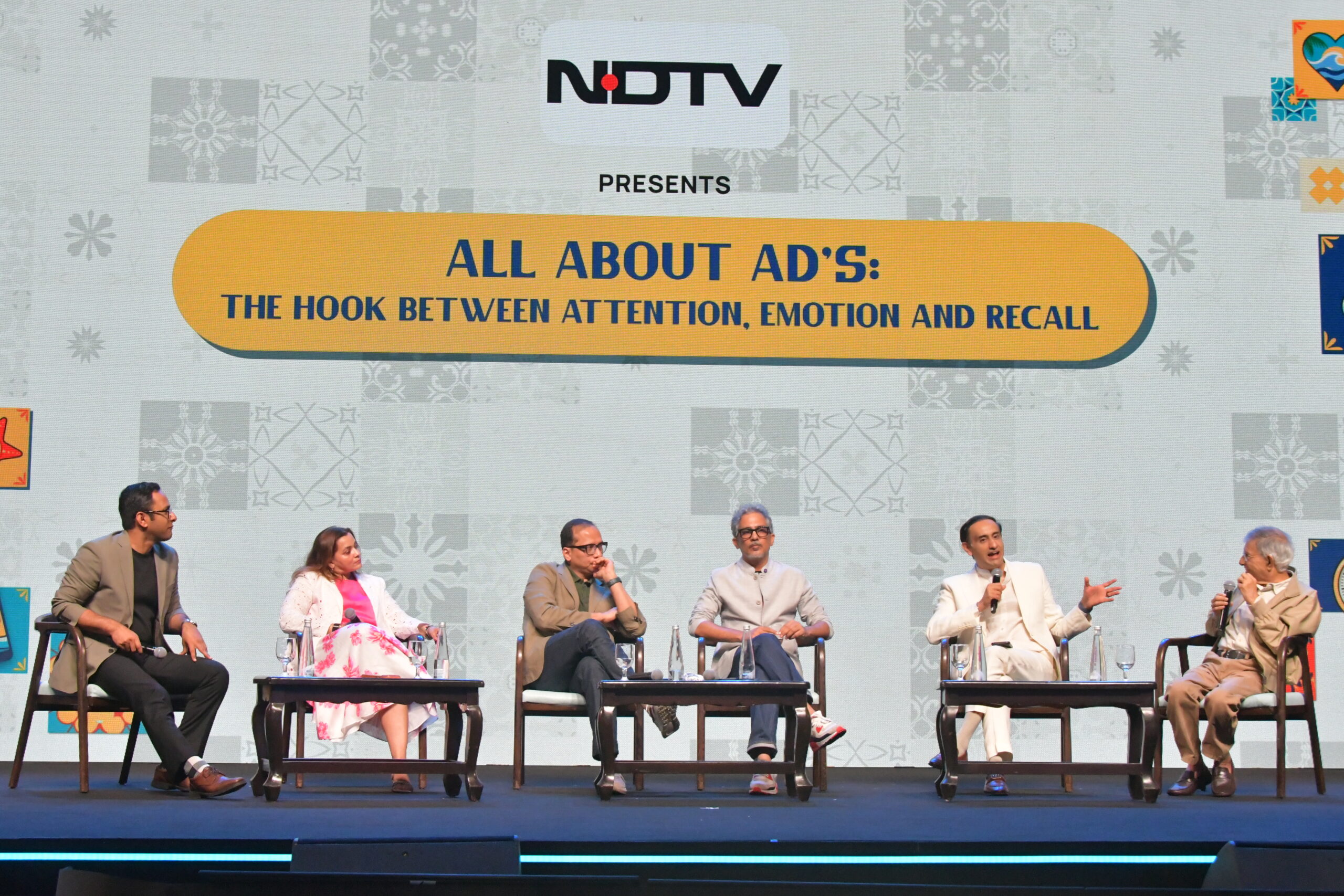
In a landscape defined by media fragmentation and shrinking attention spans, the craft of capturing the consumer has undergone a radical shift. This evolution took center stage on Day 2 of Goafest 2026 during the session titled ‘The Hook: The Craft, The Culture, The Conversation’, presented by NDTV.
The panel, moderated by Alex Matthew (Associate Executive Editor, NDTV Profit), featured Darshana Shah (CMO, Aditya Birla Capital), Rahul Kanwal (CEO & Editor in Chief, NDTV), Rana Barua (Group CEO, Havas India, SE Asia & North Asia), Rohit Kapoor (CEO, Swiggy), and Sam Balsara (Chairman, Madison World).
Darshana Shah highlighted that the modern consumer behavior of simultaneously scrolling, streaming, searching, and shopping is forcing marketers to “constantly unlearn and relearn.” She noted that while branding still depends on what a brand stands for in the consumer’s mind, the window to capture attention has shrunk to seconds. Consequently, the focus for marketers has shifted from quarterly campaigns to “weekly relevance and engagement,” where content, commerce, and audience insights must be “always-on.”
Rohit Kapoor offered a stark look at the speed of current creative production, stating that “today’s ads may last only around 10 days.” Discussing Swiggy’s strategy, Kapoor noted that while execution is fast and often chaotic, the core strategy must remain consistent. He shared that Swiggy focuses on speaking to Gen Z because “everyone aspires to feel younger,” but the brand maintains a strict guardrail: never insulting or trolling anyone. He cautioned that while trends are built in days, brands are built over years, and failure occurs when there is a “gap between promise and delivery.”
Read more: The Truth Behind the Hype: Goafest 2026 Panel Tackles ‘AI Washing’
Rahul Kanwal cited that the advertising world is moving away from traditional campaign-led storytelling toward “culture-led storytelling.” He pointed to how cultural moments, such as the ‘Cockroach Janta Party’ gaining traction on Instagram or the viral success of ‘Melody’, create branding that “money cannot buy.” Kanwal also observed that AI and prompt engineering are challenging creative hierarchies, enabling younger creators to compete with seasoned professionals.
Rana Barua emphasized that brands today must decide between being “meaningful or merely desirable.” He asserted that without an emotional connection or relevance in people’s lives, no amount of marketing can succeed. While acknowledging that AI is creating a new model for engagement and can facilitate execution, Barua insisted that “AI cannot create original ideas or cultural understanding.” In his view, the real idea still comes from humans who understand culture, behavior, and context.
Sam Balsara provided a vital counter-perspective on consistency, noting that it is what makes campaigns memorable over time. He warned that many brands are currently “overfocused on performance marketing at the cost of brand building,” advocating for a balance between the two. Balsara also noted the increased pressure on production, stating that while campaigns once ran for years, ads today may need to be refreshed every month. He concluded that while AI reduces costs and improves speed, “human creativity remains irreplaceable.”