
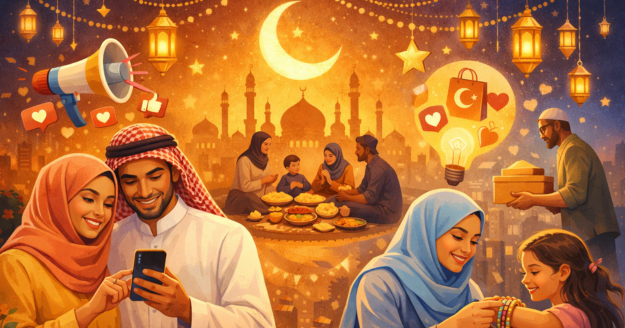
Ramadan does not arrive as just another marketing season. It reshapes daily life. Days grow quieter, nights grow longer, and routines reorganise around Suhoor, Iftar, and family time. Media habits shift. Shopping patterns change. And the emotional space in which brands appear becomes more sensitive and intentional.
For marketers, this creates a different kind of challenge. Ramadan is not about louder presence. It is about better presence. People are more selective with what they engage with and more aware of how brands enter their world. The question is no longer how to show up during the month, but how to do so with relevance and respect.
This begins with understanding how behaviour truly changes.
Terry Kane, Managing Director, Middle East & Africa The Trade Desk
“Ramadan reshapes daily routines, media consumption and what ‘value’ really means to people. Brands need to plan around these shifts, from late-night media spikes in viewing times to a greater need for utility and relevance. Brands that use data to plan around these moments with cultural understanding, rather than forcing always-on messaging will be successful. When insight guides timing, tone and channels, engagement and action move from finger scrolling to long-term meaningful connection for brands. This is the power of programmatic.”
His view reflects a shift in how effectiveness is measured during Ramadan. It is no longer about owning a single campaign moment, but about recognising that attention moves differently across the day and across the month. Precision becomes less about control and more about care.
That shift has also changed how brands prepare for the month. What was once treated as a short-term burst now demands longer planning and deeper cultural awareness.
Alasdair Hall-Jones, Global Director, The Marketing Society
“Leading marketers from The Marketing Society agree that Ramadan strategy today demands precision, purpose and presence – planning six months ahead, marrying cultural fluency with commercial clarity, and recalibrating media to match shifting behaviors.”
Ramadan is not one emotional state. Energy, appetite, and attention rise and fall through the month. Late nights feel different from afternoons. The first week feels different from the last. Brands that recognise these patterns are better placed to stay present without becoming repetitive.
This is especially visible in categories shaped by shared meals and group occasions. As routines shift, consumption shifts with them.
Mazen Mroueh, Head of Retail Media & Partnerships, Publicis Media
“Retail media gives brands the opportunity to connect with customers at the precise moment when intent, emotion, and community come together during Ramadan. Brands should use retail media to convey timely, culturally sensitive messages linked to genuine purchase intent as consumer behaviors shift toward more intentional, family-focused shopping. Throughout the entire customer journey, there is a chance to add value, establish credibility, and produce relevance rather than noise”
Ramadan is not one emotional state. Energy, appetite, and attention rise and fall through the month. Late nights feel different from afternoons. The first week feels different from the last. Brands that recognise these patterns are better placed to stay present without becoming repetitive.
This is especially visible in categories shaped by shared meals and group occasions. As routines shift, consumption shifts with them.
Gaurav Sinha, Director- International Marketing, AMEA, Domino’s
“Ramadan changes the rhythm of consumption. Routines shift. Meal timings move. In QSR, we see a clear move toward larger group occasions. Iftar and late nights are about sharing – which means variety, abundance, and visible value matter more than ever.
For Brands, the biggest risk is sameness. Ramadan is about tapping into a real consumer insight and expressing it distinctively in your own brand voice. Otherwise, you’re just another ad showing a Ramadan Lantern in the background”
His point highlights one of the biggest risks of the season. In trying to be respectful, many brands end up looking alike. Cultural symbols are repeated, but insight is not. Distinction does not come from decoration. It comes from understanding how behaviour is actually changing.
For consumers, this difference is easy to sense. Ramadan is a time when people try to reduce noise in their lives. They are more mindful of what they consume, not just in food, but in content and commerce. Messages that feel forced stand out for the wrong reasons.
Dayem Abbas Zaidi, Marketing & Creative Manager, Confidential (Oil & Gas)
“During Ramadan, brands must move beyond promotional noise and focus on purpose-driven storytelling. Consumers seek authenticity, respect for cultural values, and meaningful contributions to daily life during the holy month. By aligning messaging with themes of togetherness, reflection, and generosity, and choosing media moments thoughtfully, brands can build trust, emotional resonance, and long-term relationships rather than short-term transactions.”
This speaks to a deeper expectation. People are not looking to be pushed during Ramadan. They are looking to feel understood. Storytelling works because it shows care. Timing works because it shows awareness.
That sensitivity is also shaping how creativity shows up.
Rusty Beukes, Creative Director, HAVAS Red
“People are moving at different speeds right now, feeling more, and tolerating far less noise. The brands that truly land are the ones that show up with quiet proof through practical help, better timing, and softer asks, rather than defaulting to generic ‘Ramadan Kareem’ wallpaper. It’s more about being present in real moments, building a rhythm across the month instead of chasing a single burst and then vanishing. When you get that right, trust becomes the channel, and once trust is there, conversion doesn’t need to shout.”
Ramadan is not experienced as one moment. It is lived through many small rituals. Brands that appear once risk feeling performative. Brands that show up consistently, in useful and thoughtful ways, begin to feel familiar.
For everyday and service-led brands, this often means shaping experiences around real behaviour rather than idealised storytelling.
Hanaa Mallak, GM of Groceries – Careem UAE
“Ramadan is the holiest month of the year, and we see how it changes everything for families. Meals become moments of connection. Time together feels more precious. Routines shift around Suhoor and Iftar. At Careem Quik, we have shaped our presence around these rhythms rather than pushing against them. That means curated selections for the meals that matter, offers timed for when families actually need them, and savings for Careem Plus members that ease the month. Ramadan is a time of generosity, reflection, and togetherness. We are grateful to play a small part in helping families embrace it fully.”
Her perspective shows how relevance goes beyond communication. When brands adapt to how people live, they stop being interruptions and start becoming part of the month itself.
Across these viewpoints, a clear pattern emerges. Ramadan is no longer treated as a marketing spike. It is understood as a cultural space. Planning is more deliberate. Messaging is more measured. Media is more human.
The brands that succeed are not the loudest ones. They are the most aware. They know when to speak and when to stay quiet. They design around needs, not just offers. And they focus less on transactions and more on trust.
In a month shaped by reflection and togetherness, connection is built through timing, tone, and respect.
Ramadan is not just a commercial moment. It is a human one. And brands that recognise this are the ones that remain meaningful long after the month ends.

