
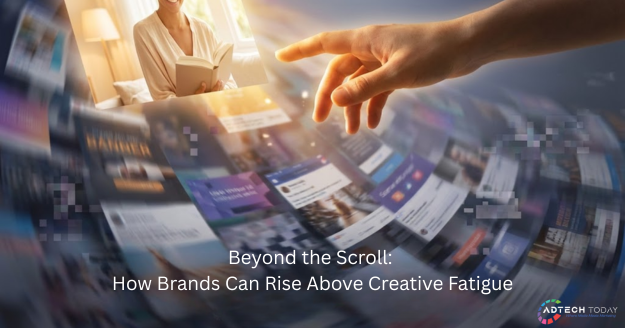
A decade ago, the promise of digital advertising felt limitless. Every new platform brought a fresh canvas, every format a chance to surprise. But somewhere along the way, that sense of discovery thinned out. Today, with ads crowding every screen and algorithms dictating what we see, audiences are showing unmistakable signs of creative fatigue. Familiar templates keep returning, recycled visuals blur into one another, and even well-intentioned ideas start to feel predictable.
And now, with AI making it easier than ever to churn out content, brands face a tougher question: in a world overflowing with convenience and automation, what does originality actually look like? How do you hold someone’s attention when they’ve already scrolled past a hundred stories before breakfast?
The answer, many creative leaders say, lies in going back to what makes people care in the first place.
Mahima Khureja, Group Creative Director at Grey, believes the starting point is culture itself.
“Culture doesn’t stand still. It’s always evolving. Shaped by what we create and what we consume. As a storyteller, our role is to look beyond fads and trends and connect with people through real, authentic narratives that reflect that. Work that acknowledges the movement of culture is always going to remain compelling.”
If culture is the current, then observation is the compass.
Nikhil B Sebastian, Associate Creative Director at Famous Innovations, says that freshness comes from noticing the little things that make people human.
“Audiences are bombarded with content, but they still respond to the tiny, truthful moments that feel lived-in. When brands root their stories in those specific behaviours and quirks of real people, the work stands out without trying too hard. It’s the detail that breaks through the fatigue.”
Technology may be reshaping the craft, but it hasn’t changed the core of what moves people.
Vishal Prabhu, Creative Director – Strategy at White Rivers Media, sees creative fatigue setting in not because audiences are tired, but because brands often repeat formats without refreshing their understanding of the audience.
“The only way to stay interesting is to stay human. Audiences respond to clarity, honesty and small relatable truths more than overly produced ideas. AI can help with speed, scale and variation, but the spark still has to come from insight.”
Prabhu adds that the stories cutting through right now have one thing in common: they feel lived in. Everyday frustrations, cultural quirks, local humor, and even unexpected viewpoints—these are the details that make a piece of work feel new without relying on constant reinvention.
As digital content keeps multiplying, brands face a turning point. They can keep falling back on familiar formats and high-gloss formulas, or they can tap into the rich, everyday truths that make people pause and feel something. In a landscape shaped by fragmented attention, cultural shifts, and the growing influence of AI, the most powerful stories are still the ones rooted in real human moments. Authenticity remains the most underused tool in modern advertising and the clearest path out of creative fatigue.

